Tuesday, August 11, 2015

International Youth Day is August 12 - 20 Positive Change Organizations

International Youth Day takes place on Wednesday, August 12th to celebrate youth and their ability to help create a better world. The theme of this year’s event is youth civic engagement to encourage young women and men to engage politically, economically, and socially in their communities.
Young people are the future of food security. By 2050, youth (ages 15-24) are expected to reach 1.4 billion or 14 percent of the population. But despite the burgeoning global population of young people, the average farmer is about 60 years old. That’s why many organizations around the world are working to engage youth in agriculture and making farming an attractive and viable career path.
However, young people often lack access to food education and opportunities to engage with their communities. According to the U.N. International Labor Organization (ILO), young people are three times as likely to be unemployed as adults, and nearly 73 million young women and men around the world are looking for work and unable to find it. Four times as many young people earn less than US$2 a day, leading to high levels of social and economic uncertainty.
We can do better. When given the opportunity, young people can make powerful impacts in their communities and around the world. In 2011, Alexandra Iljadica co-founded Youth Food Movement Australia (YFM), an organization that implements food education projects for young people to build the skills and knowledge to create a better food system. Through to peer-to-peer learning and social media, YFM engages young people and provides opportunities to participate in public forums and community halls. And in Costa Rica, Anauim Valerín Pérez founded Colectivo Boreal to organize art events that promote environmental awareness and support farmers and seed exchanges.
Young people are not only the food leaders of tomorrow—they are making tangible, impactful changes today in their communities.

In honor of International Youth Day, Food Tank presents 20 organizations that go beyond education to foster civic engagement and empower young people to drive positive change in the global food system.

SHARE this list with your social network!
Art 4 Agriculture
A network to connect young rural Australians, Art 4 Agriculture is dedicated to raising awareness of the importance of Australian farmers in the food system. Art 4 Agriculture works to improve the image of farming and encourage other young Australians to consider agricultural careers. Through art, community, and career events, the organization engages students in issues related to the environment, natural resources, and farming.
Barilla Center for Food & Nutrition’s Young Earth Solutions (BCFN YES!)
BCFN YES! is a laboratory for the innovative solutions of young people to the problems of hunger, food sustainability, nutrition, and fairness. Ten finalists from the 2015 competition will participate in the 7th International Forum on Food and Nutrition at the Milan EXPO 2015 to engage with international leaders on food sustainability topics. This year’s finalists include Oluwafemi Ajayi, who is using traditional snack foods to fight protein-energy malnutrition in Nigeria, and Achmad Solikhin, who is implementing sustainable agroforestry in Indonesia.
Centre for Environment Education (CEE)
The CEE implements regional projects throughout India to support sustainable rural development and involve young people in ecological agriculture and conservation activities. Projects include rainwater harvesting, sustainable livestock management, and village-level management of agroecological zones. Young people are involved as stakeholders in many projects and are afforded educational opportunities through CEE’s programming.
EARTH University
EARTH University is an educational institution focused in Latin America and the Caribbean that has been preparing young leaders for the last 25 years for careers in sustainable development. The students that graduate from EARTH’s programs in agricultural science and natural resources management go on to serve as entrepreneurs in their communities, alleviating hunger, promoting social justice and sustainable development.
Foodways Consulting GmbH
Foodways Consulting is a Swiss consulting company that works to create and implement food system solutions. MyFood30, a recent project created in collaboration with the Swiss National Food and Agriculture Organization Committee, is working to engage youth with the Sustainable Development Goals. The campaign will provide young people with the education, training, and networking needed to cultivate a better food system.
Global Youth Innovation Network (GYIN)
GYIN develops young farmers and rural entrepreneurship to through training, knowledge management, and direct support for resilient rural enterprises that reduce poverty by creating work opportunities for young people. A three-year project called the Youth Entrepreneurship and Agribusiness Program (YEAP) will serve more than 80 countries in the GYIN network, especially in West and Central Africa.
Global Youth Leadership Institute (GYLI)
GYLI is a nonprofit organization created by educators to empower young people to become agents of positive change in many areas, including the food system. Through a three-year sequence of international experiential education programs for high school students, GYLI trains students to become civically engaged as environmental stewards and champions of multiculturalism. GYLI not only offers truly unique and transformative experiences for young people but also provides them with skills to become leaders in their communities through post-curricular activities and alumni networking.
Green Shoots Foundation
The Green Shoots Foundation helps people in need around the world provide for their families through economic empowerment. Green Shoot’s Education Loans and Social Entrepreneurship (ELSE) Program works to ensure that every child has access to education. The ELSE Program in Mumbai provides loans to families to help fund girl’s education.
The Indigenous Food and Agriculture Initiative
Many young American Indians are increasingly employed by agriculture and are interested in reversing negative health trends within their communities. Located at the University of Arkansas, the Indigenous Food and Agriculture Initiative is the nation’s first law school initiative focusing on tribal food systems, agriculture, and community sustainability. The project aims to increase enrollment in food-related disciplines at land grant universities by supporting existing students and creating pipeline programs for youth.
International Association of Students in Agriculture related Sciences (IAAS)
IAAS brings together students all over the world through a shared passion for agriculture and related sciences. With committees in over 30 countries, the organization enables students to learn about agriculture in different countries and to share experiences, knowledge, and ideas.
International Fund for Agricultural Development (IFAD)
Across the globe, IFAD's programs work to reflect the needs and views of young rural people, to address the challenges that they face, and to create incentives to make rural life an attractive and viable livelihood option. Targeted activities help young people transition into rural employment and agriculture, creating a supportive environment for agricultural entrepreneurs and improving access to key resources such as land and water.
Mkulima Young
Mkulima Young, an initiative that works to encourage youth participation in agriculture and provide services for rural entrepreneurs, offers online support to young Kenyans. The project addresses problems affecting young farmers’ productivity and marketing, including middlemen offering meager prices for their produce, delays with payments, and expensive farm inputs. Young farmers often sell their products online by posting pictures, and can connect with one another via online forums.
National Young Farmers Coalition (NYFC)
The National Young Farmers Coalition (NYFC) is an organization for start-up farmers with 10 years or fewer of farming experience in the United States. NYFC works to transfer the energy and momentum of global and national youth movements into the agricultural sector and drive policy change to support new farmers. Through shared experiences, start-up farmers address issues of revitalizing American agriculture and family farms.
Real Food Challenge (RFC)
RFC is a national movement of young people in the U.S. to shift college and university dining budgets to more local, fair, ecologically sound, and humane foods. To date, RFC has worked with more than 4,000 students at over 400 schools to achieve US$80 million in purchasing commitments that nourish land, labor, communities, and consumers. The University of Utah and the University of Oklahoma were among the colleges who signed the Real Food Campus Commitment in 2015.
Rural Youth Europe
Founded in 1957, Rural Youth Europe now involves 21 member organizations from 18 countries and more than 500,000 young people. Through leadership training, courses, seminars, exchanges, and other practical activities, youth across Europe are united to promote rural development, environmentalism, youth participation, human rights, and intercultural diversity.
Slow Food Youth Network (SFYN)
SFYN is an international youth network working to shift food production and consumption toward sustainable and fair food. From October 3-6, 2015, the SFYN will host a discussion in conjunction with the Milan EXPO 2015, entitled “Terra Madre Giovani - We Feed The Planet.” The event will include thousands of young people focusing on solutions for small-scale farmers and food producers.
Toronto Youth Food Policy Council
Young people all over the world are increasingly involved in food policy, advocating for change and contributing their voices to local food policy councils. In Toronto, young people have formed their own food policy council to engage youth to create change through an online network, at bi-monthly community meetings, through youth council members, and through facilitation of committee work.
Water Resources Action Project, Inc. (WRAP)
WRAP is a non-profit organization working to improve public health in Israel, Palestine, the U.S. and Jordan through water stewardship and rainwater harvesting. Through environmental education that connects Arab, Jewish, and Christian students in underserved communities, the project works to combat dire water shortages and develop youth capacity for peacebuilding. The project is a member of the Alliance for Middle East Peace (ALLMEP).
Young Professionals for Agricultural Development (YPARD)
YPARD is a global network of young agriculture and development professionals creating solutions for sustainable agricultural development. YPARD enables its young members to share knowledge and information, participate in meetings and debates, promote agriculture among young people, and organize workshops.
Youthaiti
Youthaiti is a nonprofit organization working to improve the lives of rural young people through sustainable agriculture and reforestation. Centered in the village of Duchity, Haiti, home to the last indigenous forest in the country, the youth-led project focuses on developing organic gardens, using recycled waste as fertilizer, and making charcoal from garden byproducts to prevent further deforestation.

~Thanks to Danielle Nierenberg at Food Tank

These Companies Spend Millions to Avoid GMO Labeling


Big Food Companies Spend Millions To Defeat GMO Labeling

WASHINGTON- Federal lobby disclosure forms from big food and biotechnology companies, and their trade groups opposed to mandatory GMO labeling reveal a surge in lobbying expenditures during the first half of 2015, according to a new analysis by the Environmental Working Group (EWG).

A major reason for the explosion in lobbying money is the food industry’s support for the Deny Americans the Right to Know – or DARK – Act (H.R.1599), which the House passed last month by a vote of 275-150. The legislation blocks state GMO labeling laws, blocks state laws prohibiting “natural” claims on GMO foods, and makes it virtually impossible for FDA to create a mandatory national GMO labeling system.

In a break from last year, several large food manufacturers that had previously stayed out of the GMO labeling battle spent big lobbying Congress. These included Unilever ($640,000) and Ocean Spray ($100,000).

“It appears these companies got the memo, and have gone all in to fight mandatory labeling of GMO foods,” said Libby Foley, a policy analyst with EWG and the author of the report.
“With the House passing the DARK Act last month, Big Food will certainly re-stock the cash pipeline and unleash its army of lobbyists who are pushing the Senate to pass the DARK Act and deny Americans in every state the right to know what’s in their food.”

Foley’s analysis shows that Coca-Cola ($5,040,000), PepsiCo ($3,230,000), Kraft ($1,180,000), Kellogg’s ($1,310,000), General Mills ($1,100,000), and Land O’Lakes ($720,000) disclosed the largest lobbying expenditures that mentioned GMO labeling. The figures cover the period from January 2015 through the end of June.

The Grocery Manufacturers Association, which represents these and other food manufacturers, reported expenditures of $5.1 million that mentioned GMO labeling and hired 32 lobbyists exclusively to advocate for legislation to block state and federal GMO industry lobbying dwarfed expenditures reported by GMO labeling advocates, including EWG and Just Label It, which disclosed $2.5 million in the first two quarters of 2015, $2 million in all of 2014, and nearly $1 million in 2013. Since 2013, industry lobbyists have outspent GMO labeling advocates by 25-to-1.

“The gap between the amount of money spent by Big Food and that spent by public interest groups is simply mind-boggling,” Foley said.


EWG’s analysis is based upon forms filed with the Clerk of the U.S. House of Representatives and the Secretary of the U.S. Senate that mention GMO labeling legislation as well as other policy issues. EWG excluded all lobbying disclosure forms that made no reference to GMO labeling legislation.

~Thanks to www.ewg.org


Monday, August 10, 2015

15 Reasons You May Be Binge Eating

If you are a binge eater, you know well the mindless eating routine: you gather your food stash, stand over the sink, and wolf it down. Or maybe you sneak food or even gorge in the car. 
The key habit behind binge eating is mindlessness — not being in tune with your feelings and physical sensations in the present moment. Food is the most available, cheapest, socially-sanctioned, mood-altering drug on the market. So think about it: when you binge, you use food to help you dial down stressful feelings by unplugging your mind from the harshness of reality in some way. You're looking for relief and a detour from your emotions, so the more numb the better.
The truth is that binging is an attempt to make ourselves feel better. And of course there's nothing wrong with the goal of self-soothing — it's a healthy intention. But, ultimately, overeating when we are hungry from the heart but not from the stomach is hurtful to our bodies and our spirits.
To break out of a binge we must first become aware of why we resort to overeating to "solve" our problems. As you will be able to tell from my real-life examples below, many people find that trusting food feels safer than trusting people. Food never leaves you, never rejects you, never dies. It is the only relationship where we get to say when, where, and how much. No other relationship complies with our needs so absolutely.
At the New York Center for Eating Disorders, we have diagnosed 15 triggers that provoke binge eating. Most people fit into more than one category, so don't be alarmed if you do too! Awareness is the first step to helping you get a grip.
1. Dieting
For every diet you go on, there is an equal and opposite possibility for a binge waiting to pounce. When you deprive yourself by restricting food, it typically causes you to compensate by overeating.
2. Boredom
Feelings of inner emptiness and/or not knowing how to keep yourself company is a frequent binge trigger.
Sandra worked a high pressured job and when she came home after work, she felt bored without the constant stimulation of her work. Her refrigerator became her best buddy to relieve her boredom. This is a familiar tale.
3. Anger
Eating out of anger is often described as a way of "stuffing" down feelings: food becomes a stopper that keeps us from discharging "dangerous" feelings like anger. 
Karen was furious with her mother-in-law's constant criticism as to how she should treat her husband. Trying to be respectful, she bit her tongue but discharged her anger through nighttime overeating, with much hostile biting and chewing
4. Chronic Physical Pain
Overeating can be a method of trying to distract yourself from pain and to comfort oneself.
Janice suffered from severe monthly menstrual cramps. When the pain flared up, her eating disorder also flared as she attempted to “medicate” her pain with food.
5. Loneliness
Feeling alone can cause you to reach for food to keep yourself company.
Amanda lived alone and when she didn't have plans to go out with her friends after work, she stuffed herself to relieve her loneliness.
6. Overwhelm
When you have too much responsibility on your “plate,” you may seek a diversion through overeating.
Sara was caring for young twins and her mother with breast cancer. When she needed a "time out" she would find herself overeating as an oasis to being overwhelmed.
7. Depression
Many people suffering from depression seek comfort or companionship through overeating.
After Loren's beloved cat died, she found herself binging to quell her pain. She was depressed both at the loss of her cat and the embarrassment when people would say, "But it's only a cat." Food offered unconditional love and acceptance.
8. Envy
Envy, greed, and jealousy are bitter feelings to swallow. People turn to food to camouflage and bury these difficult feelings.
When Cathy discovered her best friend was getting engaged, she felt more envy than enjoyment. Ashamed of her strong jealousy, she tried to wipe out these unacceptable feelings through the detour of binging.
9. Fatigue
Overeating is often born out of an attempt to refuel your energy, even when all you might need is rest, a nap or going to bed early.
Tanya would pump herself up between her day job and her night job through compulsive eating. Not able to respond to her body’s need for rest, she used binging as an energy boost.
10. Rejection
Yes, food can provide comfort and connection. But it doesn't heal emotional pain. That said, many people try to create a connection with food as a way of avoiding the pain of rejection. 
Stephanie's boyfriend ditched her abruptly without a real explanation. Overeating became her substitute "date" on the weekends.
11. Procrastination
Binging takes planning and energy, and can seem more "appetizing" than some dreaded task that needs to get done. For that reason, binge eating is often used as an avoidance and procrastination tactic.
Deena was in a challenging Master's program. Fearful of studying and writing papers, she found herself gorging on food to delay getting down to work.
12. Guilt / Shame
Binging can be an attempt to detour and relieve guilty, shameful feelings. Often, the act of binging creates guilt and shame that is clearer or easier to stomach than the deeper feelings to begin with. 
Lisa had a brief romance with her married boss. She turned to food, her “substance of choice,” to distract herself from this gnawing self-blame.
13. Fear of Intimacy/Sex
Overeating can be a self-sabotaging way to feel detached from one's body as sexual, and can be done as a way to avoid intimacy.
Taylor was uneasy with sex. She avoided her husband by stalling her bedtime and, instead, would stuff herself in the kitchen pantry. 
14. Fear 
In particular, many people fear crying or other expressions of extreme emotions. As a result, many people would also rather overeat than cry for fear that once they start, the tears will never stop.
Jill's mother died unexpectedly at the same time her father was in the hospital for surgery. Needing to “stay strong,” Jane buried her sorrow and diverted her tears through her eating binges.
15. Resentment
Like anger, resentment can cause you to “swallow” uncomfortable feelings, and detour around them through emotional eating (rather than confronting the feelings themselves).
Marie felt strong resentment to her boss for denying her request for a salary increase. Fearful of alienating him, she buried her resentment in binge eating.
Now that you have identified the triggers that start a binge, be on the alert for your unique, personal stresses. Try to create an alternative plan each time you become vulnerable and include large doses of self-compassion!
~Thanks to Mary Anne Cohen

Monday, August 3, 2015

Congress Says: Let them Eat GMOs

Summaries for the Safe and Accurate Food Labeling Act of 2015

To amend the Federal Food, Drug, and Cosmetic Act with respect to food produced from, containing, or consisting of a bioengineered organism, the labeling of natural foods, and for other purposes.
The Safe and Accurate Food Labeling Act of 2015 would require the Food and Drug Administration (FDA) to regulate the distribution and labeling related to bioengineered foods (often referred to as genetically modified foods or GMOs).
It would require food producers to notify FDA of any bioengineered foods intended to be sold interstate and would disallow the sale any bioengineered foods not deemed safe by FDA. Although the bill would prevent FDA from requiring the labeling of bioengineered foods only on the grounds that the foods are bioengineered, FDA could require that alterations of nutritional properties, allergens, or other characteristics of food be listed on food labeling. Regulations would also prohibit the labeling of food as not bioengineered if it had been planted with bioengineered seeds. Dairy products from animals fed bioengineered foods and foods developed using bioengineered processing aids or enzymes could still be labelled as non-bioengineered. The bill would also prevent states from issuing their own food labeling requirements for bioengineered foods.
Opposition of the bill has disapproved of the removal of state authority(article taken from response to previous incarnation of the bill), and argued the importance of labelling bioengineered foods. The bill’s sponsor, Rep. Mike Pompeo (R-KS4), clarified his intentions in his press statement “the legislation takes an approach that is far better than a 50-state patchwork of GMO labelling laws” and that “GMOs are safe and have a number of important benefits for people and our planet.” This is the second time this bill has been introduced to congress. The first was during the 113th Congress where it died in committee.

TOTALS    REPUBLICAN    DEMOCRAT
  AYE275
 
 
64%
23045
  NO150
 
 
35%
12138
NOT VOTING8
 
 
2%
35
REQUIRED:Simple Majoritysource: house.gov
See how your congressperson voted:
https://www.govtrack.us/congress/votes/114-2015/h462

Thursday, July 30, 2015

Best and Worst Nutrition Bars

nutrition-barsWhile nutrition bars can be part of a busy, healthy lifestyle, there are a few good reasons they're not stocked next to the kale and blueberries at your grocery store. Many are made with cheap, low-quality ingredients and are hiding tons of sugar and additives that can cause digestive distress and prevent absorption of important nutrients.

To help you avoid those and grab the healthiest one the next time you really need portable protein, we asked Hundt to help us evaluate close to 40 of the most popular bars on the market, based on ingredient lists, nutrient balance, sugar content, and more.

The Five Best Nutrition Bars
best nutrition bars1. Health Warrior Dark Chocolate Coconut Sea Salt Protein Bar
Superfood chia seeds are the protein powerhouse ingredient in this bar, and many of its other clean, whole-food, plant-based ingredients are organic. It has 10g of protein and 5g of fiber to balance out the sugar, plus an omega 3 boost you’ll get from the chia. This is great for people who want something that’s crunchy and slightly sweet for a snack (and for vegans!). It’s delicious and well-balanced in terms of the ingredients. www.healthwarrior.com
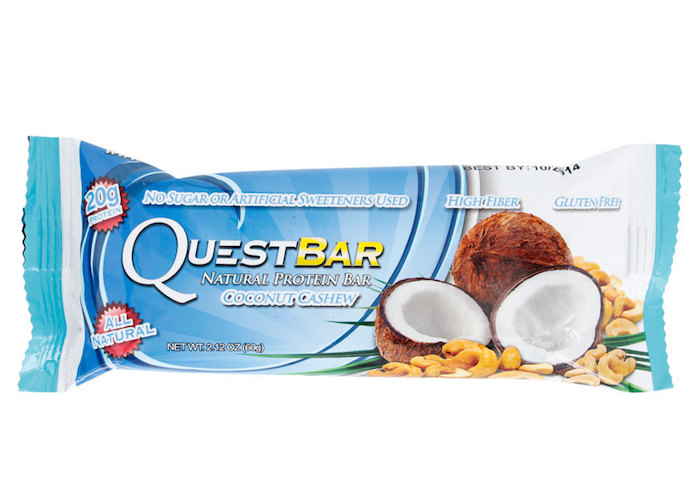
best nutrition bars2. Quest Coconut Cashew
The great thing about Quest is just the high fiber and protein content, 17g and 20g, respectively, packed into just 170 calories. Quality ingredients like almonds, coconut, sea salt, and whey protein isolate also satisfy other nutrition requirements, although they’re not organic. One note: do steer clear of Quest’s bars that contain sucralose, like the popular Cookies & Cream. www.questnutrition.com

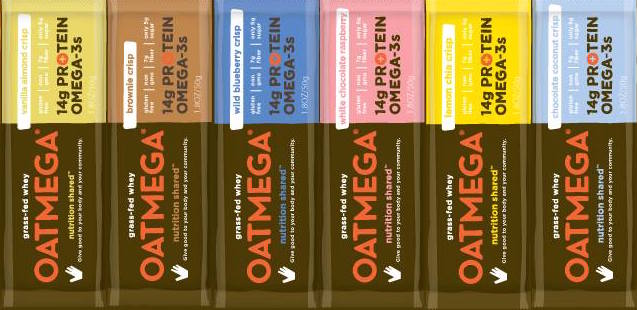
best nutrition bars3. Oatmega Chocolate Coconut Crisp
This Austin-based brand offers tasty, low-sugar, gluten-free bars made with mostly organic ingredients and whey protein from grass-fed cows. This chocolatey one has 14g of protein, 7g of fiber, and added fish oil (that you don’t taste!) for the essential fatty acids. www.givebar.com

best nutrition bars4. Bonk Breaker Peanut Butter & Jelly Protein

One of the things that athletes eat during long endurance events is peanut butter and jelly sandwiches, and this bar tastes almost like the real deal. Recommended for right after a really tough workout (or during a super long bike ride), because of its higher sugar content. It comes with natural ingredients and 15g of protein and tastes fantastic. www.bonkbreaker.com

best nutrition bars5. Epic Bison Bacon Cranberry
Perfect for a Paleo eater (who loves jerky), Epic’s bars have only a few ingredients and are literally meaty. This one comes with 11g of protein from nutrient-dense, lean, organic, grass-fed bison meat and uncured bacon, and the only sugar is from dried cranberries. It’s very clean, and sodium can be helpful after a workout to refuel lost electrolytes. (Just be warned: if you're not into chewy hunks of meat, it's not for you.) www.epicbar.com


Five Worst Nutrition Bars
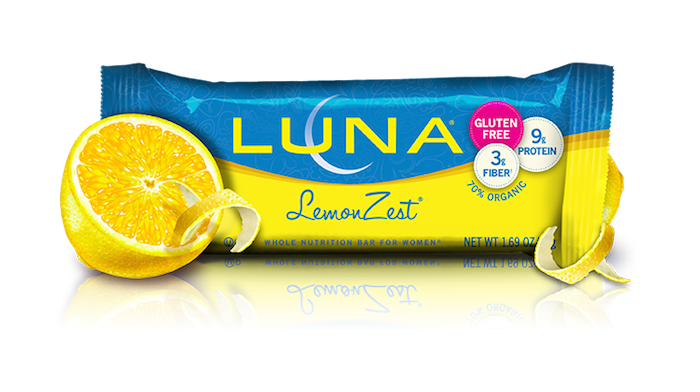
worst nutrition bars1. Luna Bar Lemon Zest
This "bar for women" has more sugar than both protein or fiber and is filled with processed soy in many forms. While some of those are organic, the very first ingredient listed (which means it makes up the highest percentage of the bar) is ultra-processed “soy rice crisps” made with non-organic soy protein isolate, AKA likely GMO soy drenched in pesticides. It also contains “natural flavor” which can disguise many unhealthy additives you don’t want. Let's be clear: they’re just using really cheap ingredients. www.lunabar.com

worst nutrition bars2. ZonePerfect Chocolate Peanut Butter
When corn syrup is listed twice on an ingredient list -- in addition to sugar -- take that as a warning sign. This is another bar where you can tell the company is using super cheap ingredients, and non-organic, processed soy is the very first one. And then so many synthetic vitamins are added; you don’t need or want this. www.zoneperfect.com

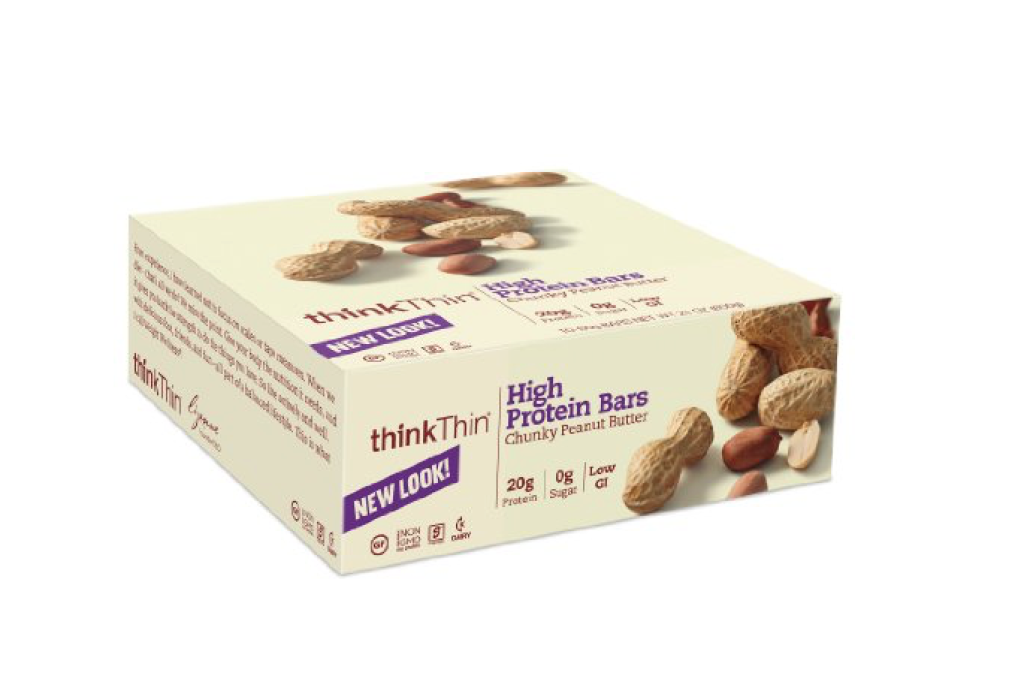
worst nutrition bars3. ThinkThin High Protein Bar Chunky Peanut Butter
Twenty gram of protein is a great number, but not when that protein is from cheap, processed sources and paired with canola oil and "natural" flavors. Also, "caseinate" ingredients (calcium caseinate, sodium caseinate), can actually suppress mineral absorption, Hundt says, and while the 0g of sugar may intrigue you, the sugar alcohols used to sweeten this bar may do a number on your gut, making you gassy, and giving you diarrhea. Think "no, thanks." www.thinkproducts.com

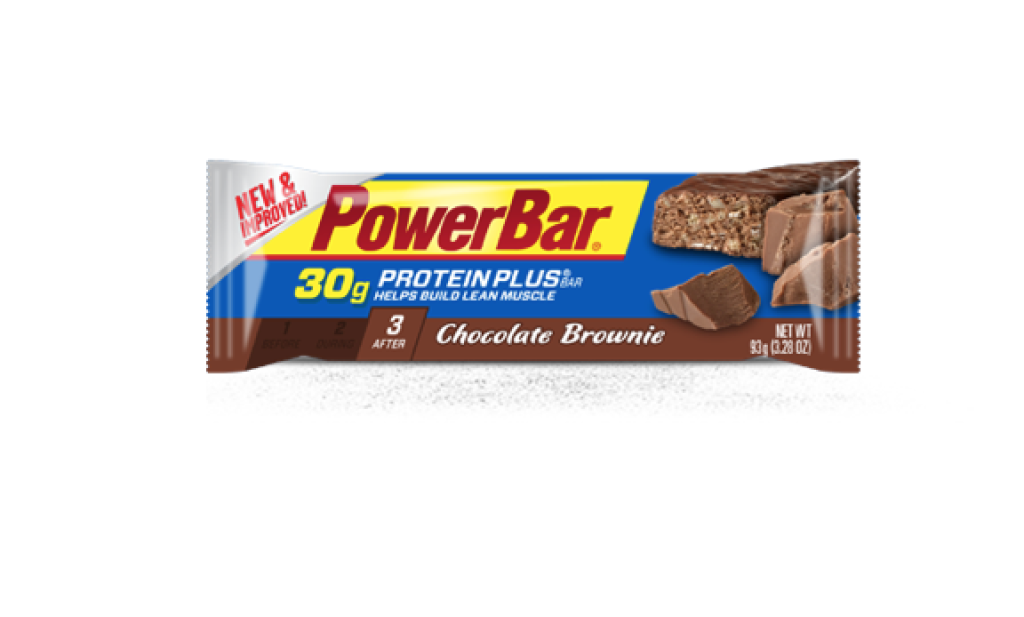
worst nutrition bars4. PowerBar ProteinPlus Chocolate Brownie
Let's call this bar “syrup, syrup, syrup” for its whopping 27g of sugar from a variety of sweeteners like cane invert syrup, fructose syrup, and malitol syrup. It’s also got lots of processed, non-organic soy, a combination that's not likely to power you through any workout (or towards long-term health). It’s going to cause you some digestive issues, for sure. www.powerbar.com

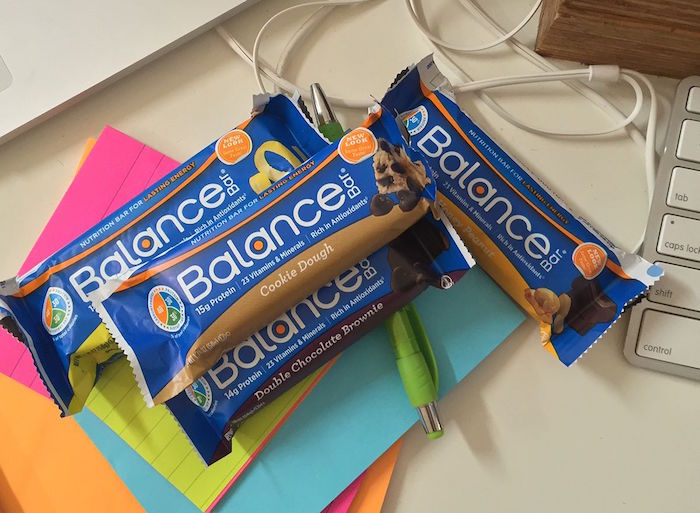
worst nutrition bars5. Balance Bar Cookie Dough
You really don't need to add vitamins unless you’re trying to cover up the low-quality ingredients - here is another example of a syrupy, fructose-laden, processed-GMO-soy bar, but boasts its "23 vitamins and minerals" to entice you. What your body will definitely absorb: tons of unhealthy oils and sugar. www.balance.com

best nutrition barsBonus Good-For-You Snack Bars!
These three runner-up picks are less substantial, so they won’t necessarily fill you up or function as post-workout fuel, but they’re great for a quick afternoon snack.

1. GoRaw Live Pumpkin Sprouted Bar 
An option for raw foodies that Hundt likes because it has only a few ingredients and is organic.

2. KIND Dark Chocolate Nuts & Sea Salt
It's a well-balanced snack bar, good ingredients, and low on the sugar. And major bonus: these are super easy to find, from Starbucks to local delis.

3. This Bar Saves Lives Madagascar Vanilla Almond & Honey
It won't be very filling, but the ingredients look pretty good and it’s a balanced bar for weight maintenance. Not to mention its give-back mission, which is good for your heart.

~Thanks to Lisa Elaine Held and Emily Karr

Tuesday, July 28, 2015

5 Signs You Should See A Therapist

One of the most common questions people ask me when they find out I’m a psychologist is, “How do you know when it’s time to see a therapist?”
We all experience periods of feeling sad, stressed out, anxious or depressed, but these are usually short lived. If you’re experiencing any of the signs below, it’s probably time to seek professional help.
  1. Your mood or emotions are extreme and getting in the way of living the life you want to be living. 
One of the tell tale signs that you might meet criteria for a mental health diagnosis is when your mood is causing problems in your ability to function in your everyday life.
This might mean that you don’t have the energy or the interest to do the things that you used to find enjoyable. Or you might find that you’re having trouble concentrating or performing well at work or school.
If your usually perfectly clean apartment is a total mess or you’ve started uncharacteristically missing payments on your mortgage, these might be signs that you need help getting a handle on your emotions.
  1. You experienced a trauma or a loss and can’t stop thinking about it.
Coping with grief can take time, but if you find that thoughts about your experience are regularly interfering with your life it might be time to see a therapist. Or if you find yourself withdrawing or avoiding things that remind you of the loss, this might mean you need help putting it behind you.
  1. Your friends or family have told you that they’re worried about you.
Sometimes the very nature of how we’re feeling makes it hard for us to recognize the negative impact it’s having on our life. Often the people around you are better able to recognize when you’re struggling with an emotional problem than you are yourself. Many of my patients have come to therapy at the urging of their family members.
However, the impact an emotional problem can have on relationships can show up in the opposite way too. If you find that your irritability has begun putting a strain on your relationships or if you start losing relationships because you’re isolating yourself, these are also signs that the problem is more serious.
  1. You’re using substances to cope with how you feel.
Having a drink to relax or de-stress from time to time isn’t a problem. However, if you find that your drinking or drug use is getting more frequent or more intense, this might be a sign that you’re using it to cope with difficult emotions that you don’t want to feel.
If a loved one has told you that they think you’re drinking too much, you might be inclined to ignore them and chalk it up to nagging—but it’s actually one of the best indications that it’s really a problem.
  1. You’re thinking about death a lot or you’re thinking about hurting yourself. 
When depression and anxiety get severe, it can sometimes feel hopeless. But it’s important to know that treatment can help you feel better. (If you’re experiencing anxiety or panic attacks, you can read more about how to deal with them here.)
If your self-destructive thoughts become very intense, and you feel you’re not safe, it’s important to call 911 or go to your local Emergency Room.
One of the best ways to find a therapist is to ask your friends or family members for a recommendation. You can also ask your family physician for a referral. There are also many good organizations that have hotlines and offer resources to help you find a therapist in your area, and you can find some of them here.
~Thanks to Erin Olivo

New FDA Sugar Labeling Proposal Met with Resistance by Sugar Association

The new 2015 dietary guidelines are full of surprises.  One unexpected recommendation includes caffeine is officially approved for adults: the new recommendations allow healthy adults to have 3-5 cups of coffee daily.  Cholesterol is no longer considered to be evil, but it is recommended that we stay within the new 300 milligram count. (1)
sugar

New sugar labeling proposal will require packaged food to label percentage of sugar for daily values

The new recommendations finally challenge America to watch its sugar intake. Proposed is the amount of sugar in each product be accurately recorded, allowing Americans to make better decisions. (2) In the 1970s 
Another new proposal announced on July 24, 2015 is meant to be a supplement to the already proposed rule regarding sugar labeling on pre-packaged foods.  The original proposal did not direct companies to state the percent daily value for sugar. (2)
The new FDA guidelines recommend that Americans should limit their sugar to 10 percent of total daily calories(!).  The committee reported that it may be difficult for consumers to meet nutrient requirements while staying within recommendations for sugar consumption.  The committee hopes that putting the percentage for daily values on labels will make it easier for consumers to make informed and health conscious decisions. (2)
The public has 75 days to respond to the new proposal. The Sugar Association offered their feedback, saying they believe that the FDA is making assertions about added sugars without sufficient scientific evidence, and plan to submit a detailed comment to oppose the proposal and provide evidence as to why the recommendation is misguided.(2)

Limiting sugar may help consumers improve their liver health, decrease type II diabetes, and reduce cancer rates

The link between sugar and diverse health issues has been well documented.  Research shows that when fructose is turned into fat in the liver, this can lead to fat being lodged in the liver and result in non-alcoholic fatty liver disease.  Research also shows a direct connection between sugar and insulin resistance, or Type II diabetes. Cancer is one of the leading deaths worldwide. Insulin is the key hormone that regulates growth of cancer cells.  Having elevated insulin levels has been found to contribute to cancer. (3) It is clear that sugar is at the core of chronic health issues.
It would appear that the FDA would have sufficient evidence to support how artificial sugars could be damaging to our health.  The new labels may help consumers understand better exactly how much sugar they are consuming in processed food items. The body needs only 1 tablespoon of sugar per day to perform all of its functions. Any more than this sets off the insulin reaction and starts cravings for more. Sugar is a highly addictive substance and should be avoided.
Sources for this article include:
(1) www.webmd.com
(2) thehill.com
(3) authoritynutrition.com

Blog Archive