Wednesday, March 8, 2017

10 Essential Oils to Stock Up On!

just the essentials adina grigore

This is the mecca list: the recommend top 10 oils to start out with, based on a number of factors: affordability, efficacy, potency, and range of applications.
All 10 can be purchased for $15 or less, and each one packs a real punch and can be used in a variety of ways. They don’t just smell good - they have the ability to make you feel really good, too, offering a wide variety of health benefits. .
You could actually just pick any one of these and start to incorporate it into your life in multiple ways. That’s the amazing thing about essential oils: each one is like getting eight medicines in one. So, start wherever you want, but I guarantee that once you do, you’ll want more.
top 10 essential oils

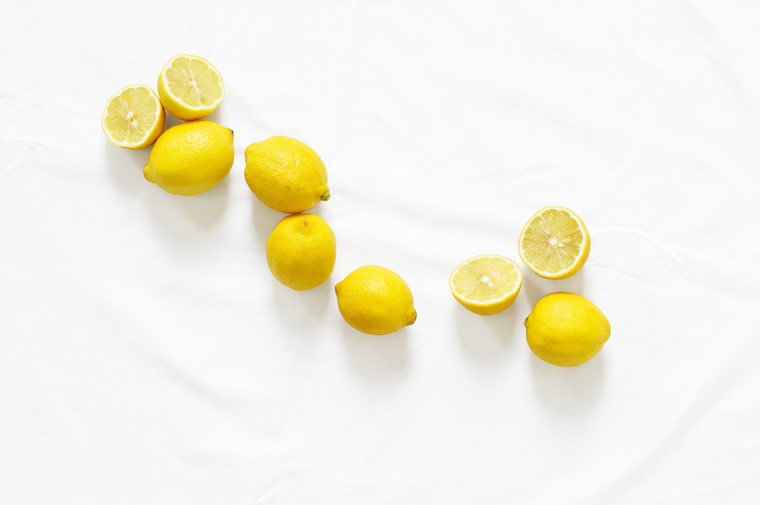
1. Lemon oil

Lemon oil is commonly used in commercially available products you encounter every day. If you walk down the aisles of any grocery store, you’ll find everything from household cleaner to hand soap to flavored sparkling water with the essence of lemon. As is the case with many citrus oils, the scent closely mimics that of the fruit from which it’s derived: bright, light, zesty, and clean.
These days, of course, a lot of those flavors and smells are made artificially, but still, there’s a reason that lemon has become so universally identified with freshness and cleanliness: its oil is a powerful antibacterial, astringent, and antiseptic agent.
Diluted lemon oil can be wonderfully effective when it comes to skin care because of its high concentration of D-limonene, a compound that assists in diminishing the appearance of wrinkles, promoting circulation, and toning the skin. In fact, recent research showed that D-limonene has skin-repairing and anti-inflammatory properties.
The scent of lemon oil has also been shown to have a powerful effect on mood. One study’s findings suggest that lemon oil vapor has antidepressant qualities. Another compelling study found that the scent of lemon oil boosted participants’ moods, a finding confirmed through self-reported data as well as empirical data (elevated levels of the anti-stress hormone norepinephrine were measured in the blood of participants).
top 10 essential oils

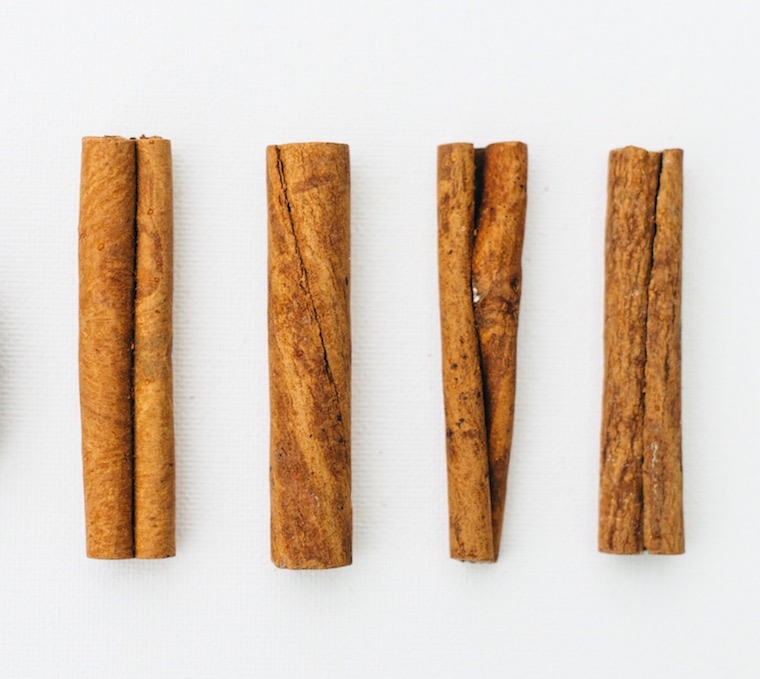
2. Cinnamon oil

If lemon oil is bright, cool, and invigorating, cinnamon oil is its opposite: sweet and spicy, musky and warm. It conjures up a distinct mixture of sexy exoticness and cozy familiarity because it’s both a Far East import and a spice drawer mainstay.
Derived from both the bark and leaf of the Cinnamomum verum tree, it’s actually one of history’s oldest essential oils, with the Egyptians recording their extensive use of it in Ebers Papyrus, a medical text dating to approximately 1550 BC.
At that time, cinnamon was a hot commodity. It was expensive and hard to get because Arab traders controlled most of the supply coming from Sri Lanka and India and—they kept the true source of their supply a secret. Cinnamon oil was affordable only for the very wealthy—emperors, royals, and, later on, Europe’s elite. Fortunately for us, price and access to this super-useful oil are no obstacle today.
In aromatherapy, cinnamon essential oil can be used to help clear up chest colds. Applied topically, it can soothe muscle aches and pains, thanks to its antispasmodic and analgesic properties. It’s also an antiseptic and makes a powerful natural preservative. It is both antibacterial and antimicrobial, as well as being anti-inflammatory, and pain-relieving. Some studies have shown that cinnamon oil contains powerful antioxidants and could potentially be useful in fighting neurological disorders and heart disease.
Lemongrass is a fast-growing, tropical grass native to Sri Lanka and south India and is now cultivated in warm climates in Africa and Asia. The entire plant is utilized in everything from tea to cleaning products, and it has been used for years in Indian healing traditions to treat maladies like gastrointestinal issues and fever (it earned the nickname “fever grass”).
Lemongrass essential oil is derived from the steam distillation of the plant and, true to its name, it possesses a mild, sweet, lemony-yet-herbal aroma. Its cheerful, energetic scent alone is convincing, but there is also plenty of evidence that it possesses powerful medicinal and pharmacological properties, including the potential to slow the growth of cancerous cells and tumors.
Research also shows that lemongrass essential oil is antibacterial and anti-fungal, antimicrobial, anti-inflammatory, and can be a potent insect repellent. Its antifungal properties are especially helpful in combating the nasty yeast associated with dandruff. One study noted that participants who used a dandruff tonic with a 10 percent concentration of lemongrass oil saw a significant reduction in dandruff in as little as a week.
Personally, I love to add some lemongrass oil to my bath when I’m feeling sick.
top 10 essential oils

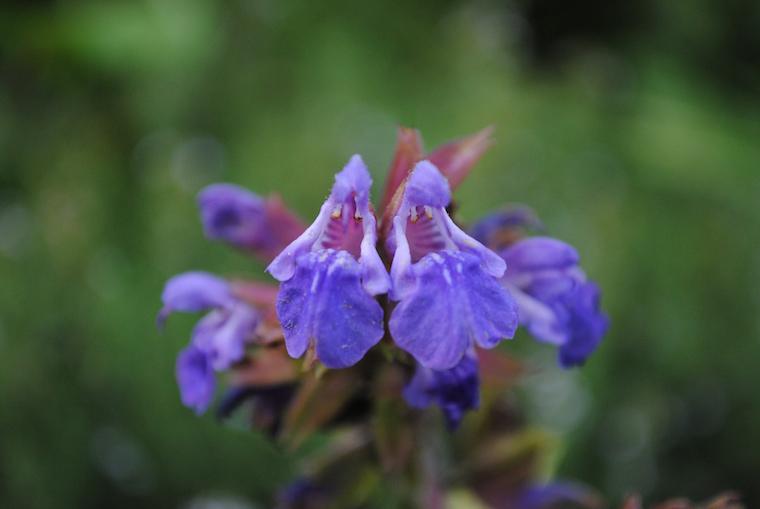
4. Clary sage

Clary sage possesses myriad beneficial properties for the skin: It’s antibacterial, astringent, antiseptic, and can help improve circulation. The uniquely sweet herbal aroma of clary sage helps to cut through some of the more pungent ingredients used in natural skin care, too.
Clary sage is a perennial plant that is native to the northern Mediterranean region and North Africa; its essential oil is derived via the steam distillation of the plant’s flowering tops and leaves. Although the ancient Egyptians used it in medicinal practices, it wasn’t until medieval times that clary sage really took off. During this time, doctors and herbalists used clary sage seeds to help treat vision problems; “clary” is derived from the Latin word for clear, “clarus.” And it was also used to flavor wine (and referred to as “muscatel sage” because of its similarity to German muscat wine). Someone, somewhere, got clever—maybe while drunk off clary sage wine?—and mashed up the two nicknames. Hence: clary sage.
Clary sage has been lauded for its reputed ability to regulate hormones, and its scent is thought to have antidepressant effects. A 2014 study of twenty-two postmenopausal women in their 50s—some of whom were depressed—showed that breathing diffused clary sage helped to alleviate participants’ depression by lowering cortisol levels and improving thyroid hormone levels. And a 2012 study revealed that clary sage—along with lavender and marjoram—makes an effective massage treatment for alleviating menstrual pain and cramping.
top 10 essential oils

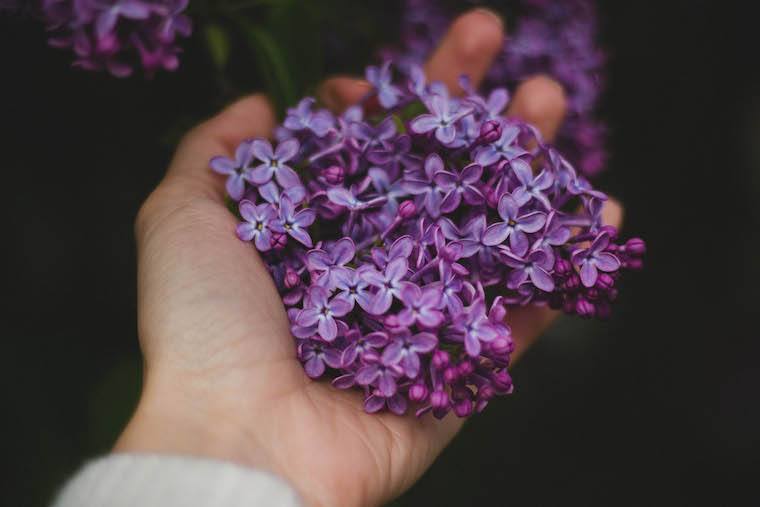
5. Lavender oil

First of all, what we call lavender is actually Lavandula angustifolia, one type of lavender among 39 total species. Different species have different properties, but all types contain large proportions of linalool, linalyl acetate, eucalyptol, and camphor. That’s a lot of components to have in high quantities, and it’s the reason it’s such a powerhouse essential oil. Lavender is: sedative, antispasmodic, anti-anxiety, anti-inflammatory, antimicrobial, antioxidant, antibacterial, anesthetic,  immune-boosting, and antiviral.
It’s super safe, but it does have a high content of linalool, which can be sensitizing for some people. As with all essential oils, and ingredients in general, be sure to try a small amount on your skin, diluted at about six drops in one tablespoon of carrier oil, and watch for a reaction.
If your skin loves lavender, you can use up to a 50-50 mix of half lavender oil, half carrier oil in your DIY products. I use lavender in many different ways, all day, every day.
top 10 essential oils

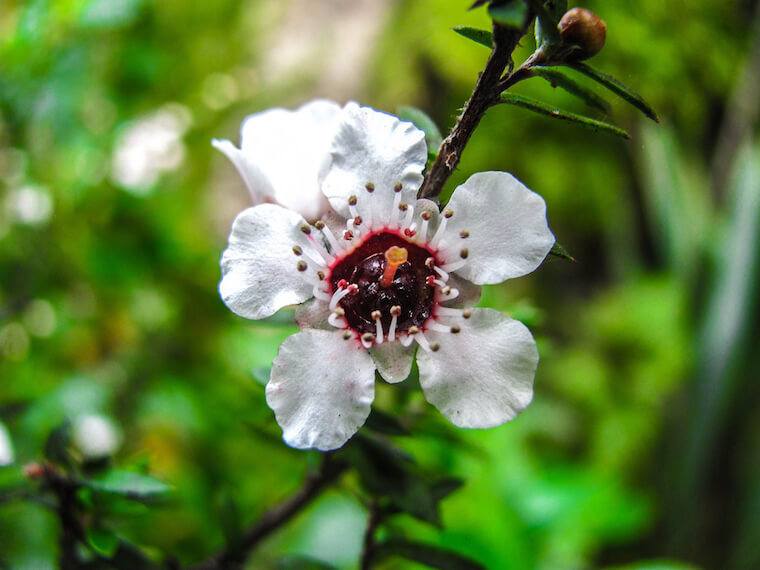
6. Tea tree oil

Tea tree oil (also called melaleuca oil) is definitely enjoying a moment in the natural-beauty-world sun right now, and deservedly so. It’s pretty awesome stuff.
The only place that tea trees grow naturally is in Australia, but they grow super abundantly there. Traditionally, native Australian cultures used tea tree leaves to treat coughs and colds, heal wounds, and alleviate sore throats and skin ailments.
Tea tree oil is antiviral, anti-inflammatory, and exhibits anticancer activity. It kills oral bacteria for up to two weeks, can be used for gingivitis, heals mild to moderate dandruff, kills the influenza virus, and has been shown to slow the growth of tumors in mice. This Australian wonder also works like benzoyl peroxide to treat acne. It takes longer, but causes fewer side effects, while being less drying than the common drugstore ingredient.
I put tea tree oil in virtually all of my DIY products; I recommend diluting to a 5 percent concentration, which is about 14 drops per tablespoon of carrier oil. One of my favorite ways to use it is to add a couple of drops to my store-bought mouthwash.
top 10 essential oils

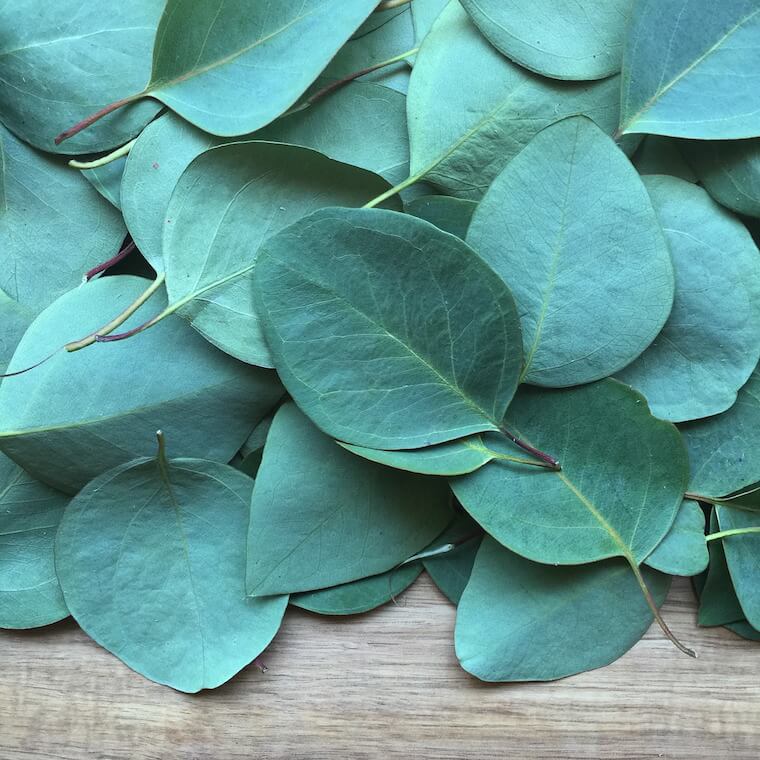
7. Eucalyptus

Eucalyptus essential oil is definitely not for the weak. Even if you’ve never smelled it directly, you’ve probably smelled something that contains it—like Vicks VapoRub, maybe? The scent is similar to camphor (another ingredient in VapoRub, and also in Tiger Balm ointment) and slightly minty. It will clear your airways super quick and can take your breath away.
Here’s what else it’s been shown to do: It works as a pesticide and has the ability to kill fungus, bacteria, insects, mites, and weeds—and it has been believed to kill the drug-resistant parasite that causes malaria. (It’s possible this is why eucalyptus trees were first planted in California in the 1850s. They were an invasive species from Australia but the government was worried about the spread of malaria. The trees helped!) It can also help boost your immune system and is anti-inflammatory.
I like to diffuse eucalyptus oil at home. The scent is a little strong, but it really freshens up a room and makes the air feel clean. It also makes a great pantry and closet moth and bug repellent.
top 10 essential oils

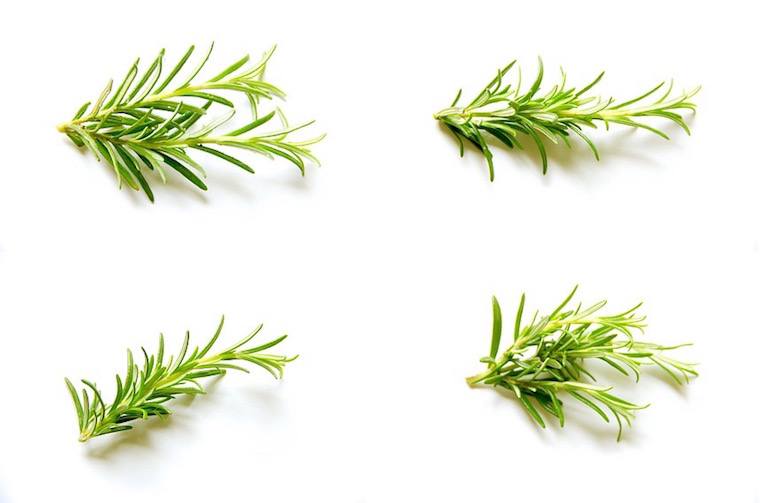
8. Rosemary oil

The scent of this oil is a lot like the herb you put in your food. It’s commonly found in skin care, especially natural products, because it not only has topical benefits but also will extend the shelf life of a product exponentially.
Rosemary oil is a stimulant. When inhaled, the aroma of rosemary has been shown to increase heart rate, blood pressure, and respiratory rate and boost your immune system. It has also been shown to increase brain wave activity and aid the part of your nervous system that controls organ function. But while it stimulates many bodily systems, it also decreases levels of the stress hormone cortisol. And it does all of this while airborne, so you can simply diffuse it and gain these health benefits. If you like the scent of eucalyptus, you can combine it with rosemary to make your space smell like a forest.
top 10 essential oils

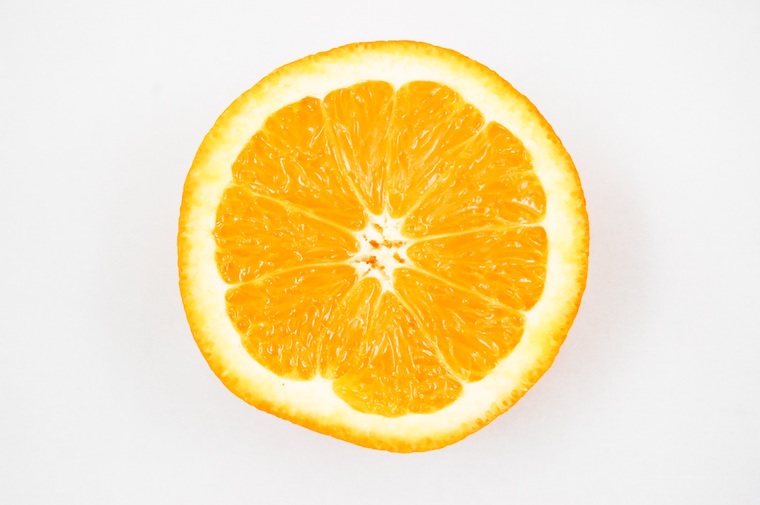
9. Sweet orange oil

In my opinion, sweet orange is the best-smelling essential oil, period. It makes me happy and energized from one whiff, and in a weird way I believe that just smelling it can sometimes satisfy my sweet cravings (which are severe and constant!). So having orange oil around solves all of these problems for me in one inexpensive, convenient swoop.
In studies, it reduced anxiety when it was inhaled, and when applied topically, it slowed down participants’ pulse rates and breathing rates, while they also reported feeling more cheerful and vigorous.
It can be a little tricky to incorporate orange oil into your life because it doesn’t diffuse well, and, like lemon oil, it can make your skin photosensitive when applied topically, so I recommend using it in products you plan on rinsing off in the shower, and not going higher than 12 drops of essential oil per ounce of carrier oil. I find the smell of sweet orange oil to be so fragrant that you need only a very small amount when DIYing.
One important note: Make sure you purchase sweet orange oil and not bitter orange, since bitter orange oil is very phototoxic.
top 10 essential oils

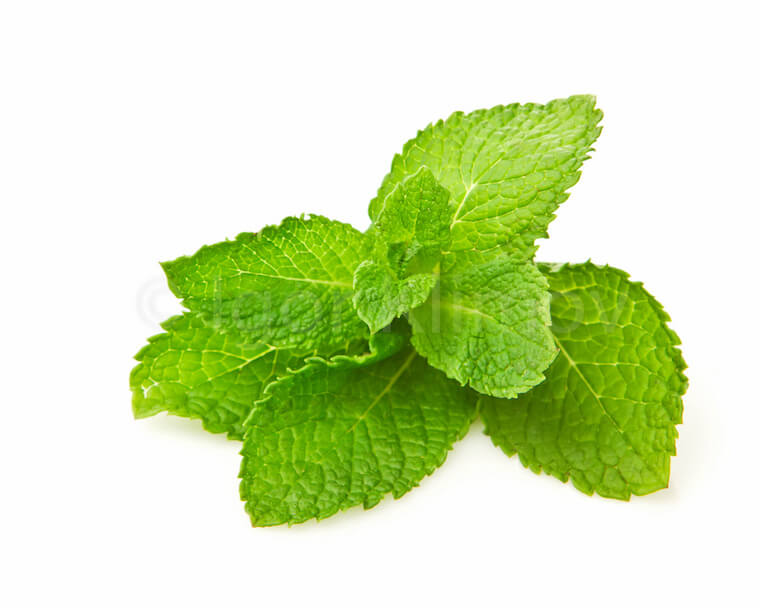
10. Peppermint oil

You know what peppermint smells like. It’s already in your medicine cabinet, mixed into your toothpaste or mouthwash or shampoo. Or it might be in the chewing gum in your back pocket. But what you probably don’t know is why peppermint is in all of these products.
Peppermint oil is made up mostly of menthol and menthone. It is a stimulant, antispasmodic, antiviral, antimicrobial, antifungal, and antioxidant. It is an effective treatment for headaches: participants in one study reported a significant reduction in the pain of their tension headaches within 15 minutes, and the pain continued to drop for the following hour. It helps soothe nausea, improves concentration and memory, and is an analgesic, which means it numbs and kills pain on the skin.
I think peppermint oil is best when it’s in a lip product. It’s incredibly invigorating, and having it literally right under your nose makes you feel refreshed all day.
Essential oils are excellent bath add-ons as well!
~ Excerpted from her latest book, Just the Essentials by Adina Grigore, 2017

Thursday, March 2, 2017

Always in a Rush? Consider This.....

Being in a rush feels like the natural solution anytime you 're running late, but in truth all any anxious state really does is help hide a lower level of self that's incapable of considering the best use of your time, let alone what its unconscious "choices" are doing to you!
Anxiety is a negative state produced by a divided mind as it rushes to close the gap between these two (self-created) opposing thoughts: where I am right now, and "where" I want to get to, which is the same as what I want "to become," i.e., at peace, content, safe, etc.
This imagined pleasure of "arriving there," or in "getting it" done is the secret opposite of the pain born in not wanting to experience what is at hand. Understood properly, what these facts mean is that the only "answer" there is to an anxious state is to not answer it at all...but to see the state for what it is: an illusion.
Do what you are doing; be where you are. Give your full attention to the duty of the moment, and the feeling that "there isn't enough time" will disappear. The prison and the pain of psychological time dissolves as you withdraw your attention from the divided mind that creates its demands.

~Thanks to Guy Finley

Monday, February 27, 2017

7 Benefits of Using Chlorella Every Day

7 Powerful Benefits Of Drinking Chlorella Every Day Hero Image
While the idea of eating a freshwater algae may not sound very appealing at first, an extensive list of the health benefits found in a tiny, single-celled microorganism called chlorella might change your mind.
Cousin to spirulina, chlorella is a vibrant-green algae that has been a common supplement in Eastern societies for years. Looking at all the beneficial vitamins and minerals packed into this tiny plant, you can see why.
Chlorella contains many vitamins and minerals, including iron, calcium, magnesium, phosphorus, folic acid, zinc, and vitamins A, C, B6, B12, and E. It's also packed with protein—a 100-gram serving of chlorella contains over 58 grams of protein (keep in mind that a typical serving of chlorella might only be a few grams). 
In the West, more people are recognizing the benefits of chlorella supplementation. Research backs this compound's status as a health superstar. Specifically, scientists have found that chlorella may be beneficial in the following ways:

1. Heavy metal detoxification

Unfortunately, many of us have accumulated heavy metals in our bodies, whether it's from eating mercury-laden fish or from our metal tooth fillings. One cell study found that chlorella absorbs heavy metals in the body, effectively preventing toxic accumulation. In the study, chlorella absorbed 40 percent of the heavy metals in the test solution in seven days.

2. Immune system support

The effects of chlorella on the immune system have been studied in both healthy subjects and those with compromised immune systems, due to medication or illness. While there are conflicting views about chlorella's effects on the immune system, one study found that supplementation supports the immune-regulating response in healthy patients. 
In unhealthy patients, the immune system functions were shown to return to or remain at near-normal levels with 20 grams + 150 mL daily chlorella supplementation over the two-year study.

3. Breast milk quality

Many of the toxins that mothers unknowingly take in on a daily basis can be passed on to babies through the mother's breast milk. 
One study examined the effects that supplementing with 6 grams of chlorella per day had on breast milk quality. Encouragingly, chlorella was found to increase immunoglobulin (an essential antibody in the immune system) concentrations in breast milk. The research also revealed that women who were supplementing with chlorella had lower levels of dioxins in their breast milk. Dioxins have been linked to developmental problems as well as hormone imbalance and a weakened immune system. 
4. Better body composition
Chlorella may be helpful in fighting both obesity and obesity-related health problems. A recent clinical study discovered that chlorella supplementation led to a reduction in body fat percentage, total cholesterol, and blood glucose levels.

5. Reduction of oxidative stress

Oxidative stress, caused by pollution, stress, or a poor diet, contributes to a faster aging process. A study in chronic cigarette smokers found that chlorella greatly reduced oxidative stress.

6. Blood pressure regulation

For those with high blood pressure, chlorella may help with lowering blood pressure to a healthy level. One study in hypertensive patients found that 1.5 grams of pure chlorella in tablet form per day resulted in decreased blood pressure over the six-month period of the study, as well as lowered hypertension-related symptoms.

7. Fibromyalgia symptom reduction

If you suffer from fibromyalgia (a chronic disorder characterized by widespread musculoskeletal pain and fatigue), chlorella may help to alleviate some of the symptoms. A study discovered that participants with fibromyalgia who supplemented with 10 grams of chlorella reported improvements in sleep and well-being as well as reductions in pain and fatigue during the course of the three-month study.
As with all supplements, it's important that you consult your physician before adding chlorella into your daily routine, especially if you're pregnant or breastfeeding. Chlorella does contain iodine, so those with sensitivities to iodine or hyperthyroidism should avoid. 
Since evidence exists that chlorella stimulates the immune system, patients with autoimmune diseases should not supplement with chlorella. People with sensitivities or allergies to mold should also avoid it. Be sure to purchase organic chlorella from a quality, certified supplier, when possible. 
With all these benefits, it's easy to see why chlorella may be worthwhile to keep in our supplement cabinet. With chlorella included in your supplement routine, you just might offer necessary support to your body's natural detox mechanisms, immune system, metabolism, and more.
~Thanks to Dr. Deanna Minich

Thursday, February 9, 2017

Why Your Yoga Practice Won't Look Like Anyone Else's

You are unique! These three words imply something amazing. In the whole universe, there is no one like you. You are not “average” and you are not “normal”—no one is actually average, normal, or regular. You may share a few similar traits with other people: You may wear the same size yoga shirt as do millions of others; your shoe size may be the same as your sibling’s; you are made up of identical protons, neutrons, and electrons, as is everyone you know. But when you examine the whole of who you are, these particular parts come together in a way that forms a “you” that is totally and indisputably unique.
The nature of human variation has been largely ignored in both medicine and the fitness world (including the yoga industry).
Consider what this means: If you are totally unique, then what you need to be healthy and whole will be very different from what someone else needs. Roger Williams—scientist, author, and discoverer of vitamin B5—coined the term “biochemical individuality” to express how vastly different all humans are from one another.1 It is this variation that makes all the difference when we look at what keeps us healthy and what causes us to become sick and suffer disease. The nature of human variation has been largely ignored in both medicine and the fitness world (including the yoga industry), an error that Williams and others have tried to correct. As an eighteenth-century physician, Parry of Bath declared: “[It is] more important to know what sort of patient has a disease, than to know what sort of disease has a patient.”2 For yogis, we can paraphrase this:
“It is more important to know what sort of student is doing a pose, than to know what sort of pose is doing the student.”
In advising how to train an elite athlete, Stuart McGill, a medical researcher of lower back disorders, notes: “Each person has different proportions of body segment lengths, muscle insertion lengths, muscle to tendon length ratios, nerve conductance velocities, intrinsic tissue tolerances, etc... Imposing a stereotyped ‘ideal’ technique will often prevent an athlete from reaching their full potential.”3 My own esteemed yoga teacher, Paul Grilley, recognized that this applied to yoga as well, and in 2004 created an influential DVD, Anatomy for Yoga, which shows how our unique biology affects our yoga practice.
FIGURE 1: Nadia (A) is slightly internally rotated in the hips due to an anteversion of her hip sockets, and her legs are straight. Margot (B) has a distinct varus of the legs, causing her bowlegged appearance. Her hips are also quite externally rotated due to retroversion of her hip sockets and femoral torsion, causing her feet to point outwards—which is a natural alignment for her, but not for Nadia.  
FIGURE 2: These anatomical variations affect not only our appearance, but also our ability to do yoga postures. Margot (B) finds it easier than Nadia (A) to get her knees to the floor in butterfly pose (baddhakonasana).
Just as no one else has your dental pattern, it’s also true that no one else has your bone structure, your spine, or your hips. There are things you can do right now, there are things you will be able to do in time, and there are things you will never be able to do. This is not a critique of your abilities or a reflection of your personality or a flaw that needs fixing—this is simply the reality of your existence. A five-foot-tall ballerina will never play right tackle for the Seattle Seahawks, and the right tackle for the Seahawks will never win an Olympic gold medal for figure skating. This does not mean that the ballerina is flawed or the right tackle is lazy.
“DIFFERENCES AREN’T DEFICITS,” said population geneticist Theodosius Dobzhansky.4 There are many ways we are different, and that’s okay. Sometimes the differences have consequences, and sometimes they don’t. The differences may become a problem when we either ignore or deny them. They are real, and that is normal.
Think of the ways we can be measured: height, weight, age, education, income level, family size, city of upbringing, blood pressure, heart rate, the length of our arms relative to our spine, the retroversion of our hip sockets, the torsion of our femurs, tibia, and humerus, the amount of curvature in our legs...the list can go on and on. In any one of these categories, you might fall within the “average range,” but when you add in all the other parameters, you move far away from being an average person. No one is average. This means that whatever works for an “average person” (who does not actually exist) may not work for you.
To quote Roger Williams once again: “Practically every human being is a deviate in some respects.”1 There is no normal and no abnormal. There is only you in all your uniqueness, and this uniqueness will determine what, of all life’s offerings, is available for you to partake in—and what you should, with wisdom, leave on the plate.
FIGURE 3: Comparing femoral torsion: Margot’s femur on the left has a negative anteversion of –4°, and she will find external rotation relatively easy. Nadia’s femur on the right has an anteversion of 47°, and she will find internal rotation relatively easy.
Imagine attending a yoga class where the teacher believes everyone can, eventually, do lotus pose (padmasana). Maybe not today, but with diligence, practice, and a firm guiding hand (and with the right Lululemon pants and the best Himalayan incense), the teacher can show you how to get into this challenging cross-legged posture. What if you have never been able to sit cross-legged comfortably? You try—you ignore the little tweaky feelings in your knees until one day, the pain escalates into a burning fire that won’t stop even after class is over. You have torn your medial meniscus and are no closer to doing lotus pose than when you started yoga. The teacher has been ignoring the reality of your uniqueness. Due to the shape of your pelvis and femurs, you will never be able to do lotus pose, and trying to get there is destroying your knees.
Yoga is a self-selecting practice. Those who have bones shaped in a way that facilitates doing certain postures keep working and progressing. They stretch out all the tensile resistance that prevents achieving their maximum range of motion, and they get to their desired positions. However, those whose bones are not shaped so optimally, who are not stopped by tension but instead have reached compression (where the bones are hitting each other), will never be able to do certain poses. They quit in frustration, convinced that some deep personality flaw is preventing their progress, a delusion secretly shared by some teachers.
As Roger Williams explains: “Variations encompass all structures, brain, nerves, muscles, tendons, bones, blood, organ weights, endocrine gland weights, etc... These structures often vary tremendously from one individual to another.”1 He also points out that, “…anatomists have been aware of variations for many generations but... for pedagogical reasons they have concentrated on the ‘norm’ and have shown little or no concern for the possible significance of the ever-present variations.”1
It would sure be nice if we all looked like the drawings in the anatomy books, and if our skeletons all looked like the plastic skeleton hanging in the corner of an anatomy classroom. But we aren’t, and they don’t. You are unique, what you can do is unique, and so should be your yoga practice.
It is your body! Why not do your yoga?
Notes:
1) See Roger Williams, Biochemical Individuality (New York: McGraw-Hill Professional, 1998).
2) Cited in Roger Williams, Biochemical Individuality, 1–2.
3) Stuart McGill, Ultimate Back and Fitness Performance, 5th ed. (Waterloo, Canada: Backfitpro, 2014). www.backfitpro.com
4) Quoted in Kate Douglas, “Reaping the Whirlwind of Nazi Eugenics,” New Scientist, July 14, 2014. 
The pictures of the femurs reproduced with the kind permission of Paul Grilley.
~Thanks to Bernie Clark

Wednesday, February 8, 2017

How to Ride Downhill on a Bicycle

The triathlete Gwen Jorgensen descending, trailed by her coaches. Credit
As she prepared for the 2016 Olympics in Rio de Janeiro, the United States triathlete Gwen Jorgensen knew that she faced one particularly daunting liability.
“I was afraid of going fast on a bicycle,” she says, “and I really did not like descending.” An accomplished runner and swimmer in college, Ms. Jorgensen had little experience with cycling before she became a triathlete in 2010.
So Red Bull, one of her sponsors, asked several longtime bike racers to work with Ms. Jorgensen on descending. Over the course of three intense days in California, these two-wheel tutors radically changed Ms. Jorgensen’s positioning on and attitude toward her bike.
The result was gold in Rio, where Ms. Jorgensen crushed the field, even during the bike leg of the race, previously her weakest event.
Continue reading the main storyContinue reading the main story
Because many of the rest of us likewise wonder how we can descend more safely and rapidly, whether we ride bicycles in races or to the grocery store, I spoke recently with one of Ms. Jorgensen’s coaches, Tim Johnson, a six-time national champion in cyclocross racing and expert bike handler, about what it takes to be an adept downhill racer.
What follows are his top 10 tips on going downhill fast.
■ Have your brakes checked, Mr. Johnson says. “It’s surprising how few people take their bikes in” to a shop for a general checkup each year, he said.
■ Tires matter, too. “Don’t overinflate them,” he said. For road tires, a pressure of 110 pounds per square inch is the maximum he recommends, since it leaves them very slightly squishy, so that they make better contact with the road, providing more stability. Mountain bike tires and hybrid tires, which are wider, require less pressure.
■ Sit correctly. Inexperienced riders frequently straighten and lock their elbows during descents, he said, moving backward on the seat and “practically levitating off of the bike” as they gain speed. This stiff, upright positioning makes you unstable, he said. Instead, “you should carry most of your body weight on your feet,” with your shoes firmly pressing against the pedals and hindquarters centered on the seat. Keep your elbows bent and relax your shoulders.
■ Avoid tensely clutching the handlebars and brakes. It’s better, he said, to lightly rest your palms on the bars, with the brake hoods “nestled in the crook of your thumb,” and one finger on the brake lever itself. On a flat stretch of road, practice opening and closing your hands, he said, squeezing the bars for a moment and letting go, so you become comfortable with having very little of your body weight on the handlebars, and with operating the brakes with a single finger. Then practice the same maneuver on your next downhill ride.
■ Curve ahead? As you approach a bend in the road, position the pedal on the outside of the curve down, toward the pavement. “You really want your weight on that outside foot,” Mr. Johnson said. “I tell novice riders to exaggerate the motion, to stomp on the pedal, and turn their heel down.” The more weight situated on that outside pedal, “the better the bike will steer,” he said.
■ Look down the road. “This is the most important tool” for safe descending, he said, and for safe bike riding, period. “When we started working with Gwen, she was staring down at the ground right in front of her front tire.” He and the other riders encouraged her to lift her head and continuously scan the road far ahead of her. “You want to know that there is a pothole or a curve coming up,” he said. “Then you can respond somewhat gradually and not jerk your bike out of the way.”
■ But don’t stare. “If you fixate on something,” like a stone or bump in the road, he said, “you will steer right into it. The bike follows your vision.” Look instead where you wish to go, which would be around the obstacle. If you have been scanning the road, he pointed out, you will have had time to prepare and should be able to glide calmly past the obstruction.
■ Start smallish. To put these tips into practice, find a hill with which you are already familiar or that has a relatively gentle slope, he said. Descend at a comfortable speed, incorporating one tip at a time, and then attempt to ride a little faster with each descent. “As you build confidence, the speed will come,” he said.
■ Obey traffic laws. “Never cross the yellow line” while going around a curve, he said, because you may be unaware of cars climbing the hill. In general, “ride your bike like you would drive a car,” he said. “That keeps you and everyone around you safe.”
■ Seek advice. “It can help to watch and talk to good riders,” Mr. Johnson said. Ask your local bike shop if they offer rides or clinics catering to cyclists of different abilities and if you can, find a willing, experienced cyclist who is a little faster than you. Follow her down the next hill, imitating how she rides. Improvement can be rapid. “When we started with Gwen,” Mr. Johnson said, “she was really timid.” But after a few days of listening to and imitating the experts, he said, “she became a beast on the bike.”
~Thanks to Gretchen Reynolds

Wednesday, February 1, 2017

6 Signs Your Relationship Is Codependent

6 Signs Your Relationship Is Codependent Hero Image
Ah, love. It can enrich our lives, provide meaning and support, and reduce stress. Healthy, intimate relationships can even help you live longer. But the pursuit of love and actually maintaining a relationship can sometimes be a source of significant pain in our lives. In other words: Love ain't always all it's cracked up to be.
Developing your own identity and solid sense of self can sound like a tall order. However, it is also the foundation we need if we are to develop a healthy relationship with another person. It would be ideal to have that in place first, but often people jump into relationships while they are still settling into their relationship with themselves. Thus, as you navigate relationships it's important to keep yourself in check and recognize some of the characteristics of a healthy relationship as well as the telltale signs your relationship is codependent.

Characteristics of a healthy relationship:

The main building block of any healthy relationship is respect—respect for yourself and respect for the other. This includes:

1. Accountability Admit mistakes and accept responsibility.

2. Trust  Be a person of your word and try to give others the benefit of the doubt.

3. Honesty  Communicate openly and truthfully.

4. Cooperation  Ask; don't expect. Make decisions together, and find a mutually agreeable compromise when necessary.

5. Safety  Respect each other's physical space, and allow for absolutely no intimidation or manipulation.

6. Support  Be understanding and encouraging, valuing each other's opinions and choices.

What are some telltale signs your relationship is codependent?

1. You're using the relationship to fill a void. 

Similar to a drug addiction, love addiction uses love to release dopamine for pleasure and endorphins to numb pain. While those can be benefits in a healthy, balanced relationship, the need for something outside of yourself to feel OK and cope with life is a sign that it has crossed the threshold to problematic.

2. You're sacrificing parts of yourself to please your partner. 

A healthy relationship should enhance the person you are and not take away from it. If you find yourself giving up parts of your identity, you are doing little service to yourself and your relationship. Oftentimes, individuals in codependent relationships will expect reciprocity in this sacrifice, not get it, and end up feeling hurt, abandoned, and resentful.

3. You lack boundaries. 

If you start with a set of guidelines that set a standard for a healthy amount of time spent with the other person and engaging in other activities and soon find yourself breaking those guidelines and commitments, you might be laying the foundation for a codependent relationship. It is all about maintaining balance in your life.

4. You find it difficult or intimidating to speak your mind. 

If you find it uncomfortable to say what's on your mind because you are fearful of being judged or perhaps are worried what you say will not be what the other person wants to hear, you are actually depriving yourself of the opportunity to have an open, honest relationship. An unwillingness to be honest can backfire and can in turn make you question the other person's level of honesty and openness.

5. You're obsessing in an attempt to control the relationship and the outcome. 

A healthy relationship means a working relationship between two partners. Part of that includes being able to accept the fact that you may not know exactly how everything is going to turn out and navigating (and enjoying) that mysterious journey together.

6. You experience intense fear of losing the relationship. 

If you have something good, it makes sense that you want to keep it in your life. But sometimes, there is a need to take a step back from the relationship and remind yourself that you are going to be OK no matter what, whether this person is in your life or not. The flight attendant trains us to put our own oxygen mask on before we help others with theirs. It is important to recognize that the other person is not your oxygen mask or your oxygen.
Recognizing the warning signs of a codependent relationship early on is half the battle. At the end of the day, the best relationships allow you to feel comfortable, secure, and free. When you and your partner each allow the other to shine brightly in your individuality and mutual respect for one another, you'll find your relationship will enrich and support the person you are rather than take away from it. And that is what love is truly all about.
~Thank you Aimee Noel

Blog Archive